

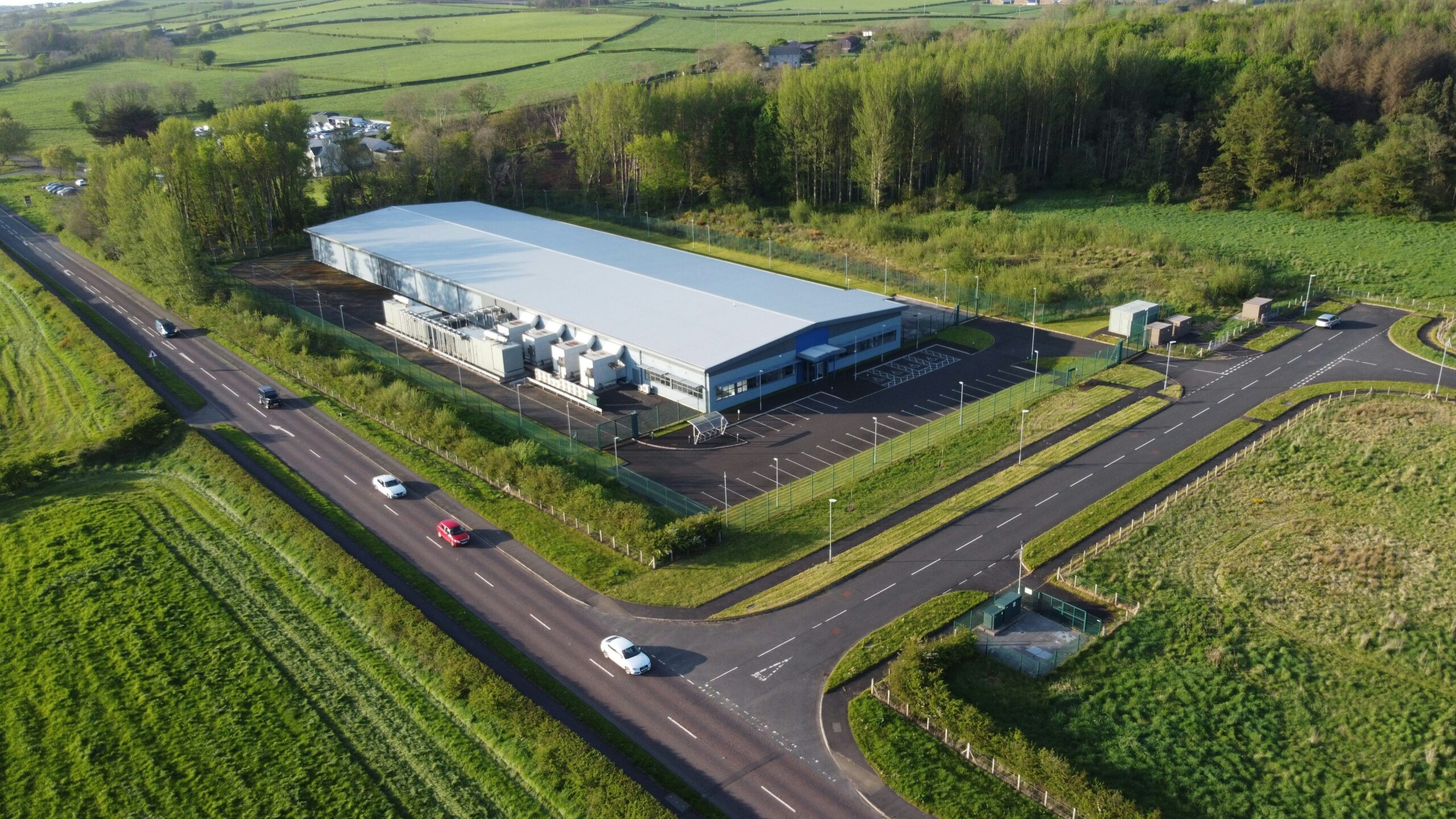
Data centre siting in the UK – New Roundtable Summary Notes published
Published on 17 November 2026
The summary notes from February’s Data centre siting in the UK roundtable were published this week on the Government Office for Science’s website. ACCESS Director Patrick Devine-Wright was one of the experts consulted.
The roundtable, chaired by Professor Dame Angela McLean (Government Chief Scientific Adviser), was facilitated by the Government Office for Science on 20 February this year to discuss the following question:
What considerations should inform where the UK locates domestic data centres to meet future AI and non‑AI demand?
The summary meeting notes from that roundtable have now been published. The notes represent the combined views of roundtable participants and seek to provide accessible science advice for policymakers.
Patrick’s involvement in the roundtable ensured that environmental social science evidence and perspectives were brought to bear in the discussion, as evidenced in the meeting notes, which state:
“Public acceptance of data-centre development depends on people recognising national need, seeing clear local benefits, and trusting developers. Building public trust requires involvement of all levels of government in decision-making.”
Patrick said:
“Data centres are generating public concern and community objections. But they are not unique in doing so. They follow numerous government-backed infrastructures that have been controversial, not least onshore wind farms, shale gas/fracking and high voltage power lines. There is extensive research evidence, data and insight from environmental social science on why these proposals generate controversy. If we are wise enough to draw on this body of research to inform policymaking on Data Centres, we have some hope of progressing in a way that builds trust, is fair and shares benefits widely. Our forthcoming report on ‘Governing UK data centre growth’ starts to do some of this work by bringing the social and environmental impacts of data centres into focus.”
ACCESS’s Professor Sarah Hartley and Rory Murphy (University of Exeter) are conducting a Flex Fund project on Environmentally Just AI: The Social and Environmental Impacts of Data Centres.The project examines UK data centre development strategy through a social science lens, providing a holistic understanding of regional, national and international environmental impacts. Their final report, published later this month, will make actionable policy recommendations to address these impacts in a way that is environmentally and socially just.