Guiding Principles
What are the Guiding Principles?
We can only successfully tackle climate and environmental challenges if we actively include diverse voices in the design and delivery of solutions, and if we reduce the environmental impacts of our own research practices.
This is why ACCESS has adopted three interconnected Guiding Principles to inform, shape and guide all our activities:
- Environmental Sustainability (ES)
- Equality, Diversity and Inclusion (EDI)
- Knowledge Co-production (KCP)
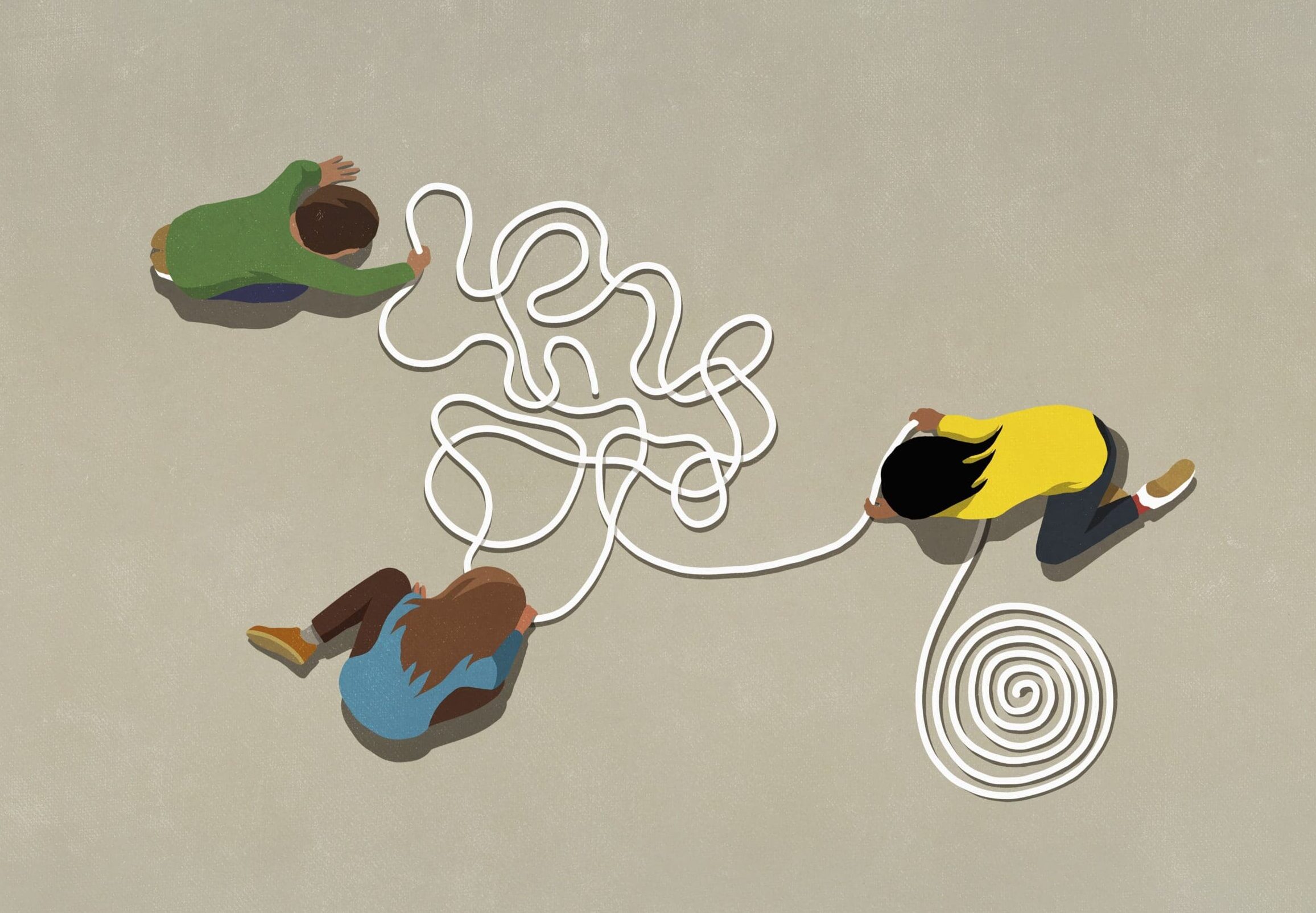
Our Guiding Principles act as a common, intertwined, thread running through, and stitching together, different parts of the ACCESS programme.
Introduction to the Guiding Principles
Watch Dr Jenny Hatchard, ACCESS Knowledge Exchange and Impact Fellow and member of the Guiding Principles team, introduce the principles and their use.
About the Guiding Principles

How to use the Principles
Guidance on using the Principles and considerations when making decisions.

Further resources
Signposts to academic literature and further resources for each of the three Principles
Put the Guiding Principles into Practice
Suggested considerations and encouraged actions for incorporating the ACCESS Guiding Principles into various work activities.
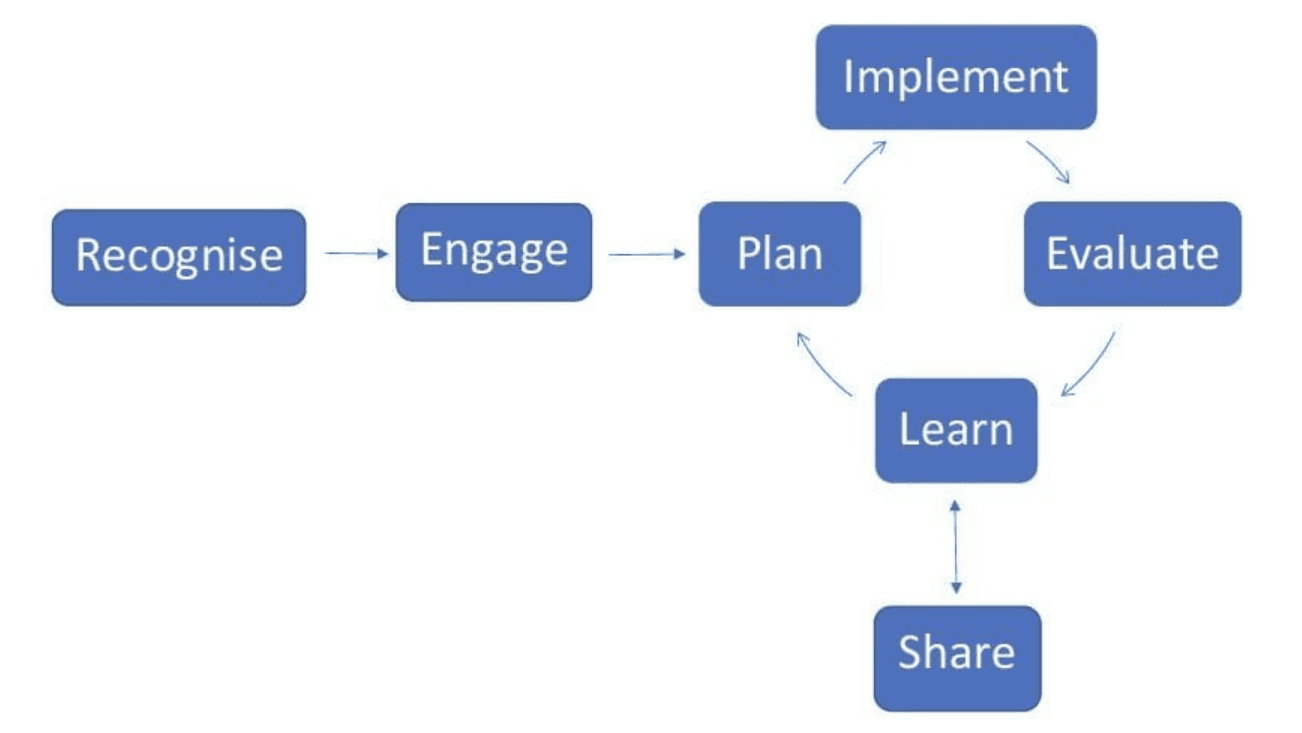
The process
Key pointers, trade offs, and guidance on making decisions using the Guiding Principles.

Travel Guidance
Helpful guidance on making travel choices in line with the ACCESS Guiding Principles.

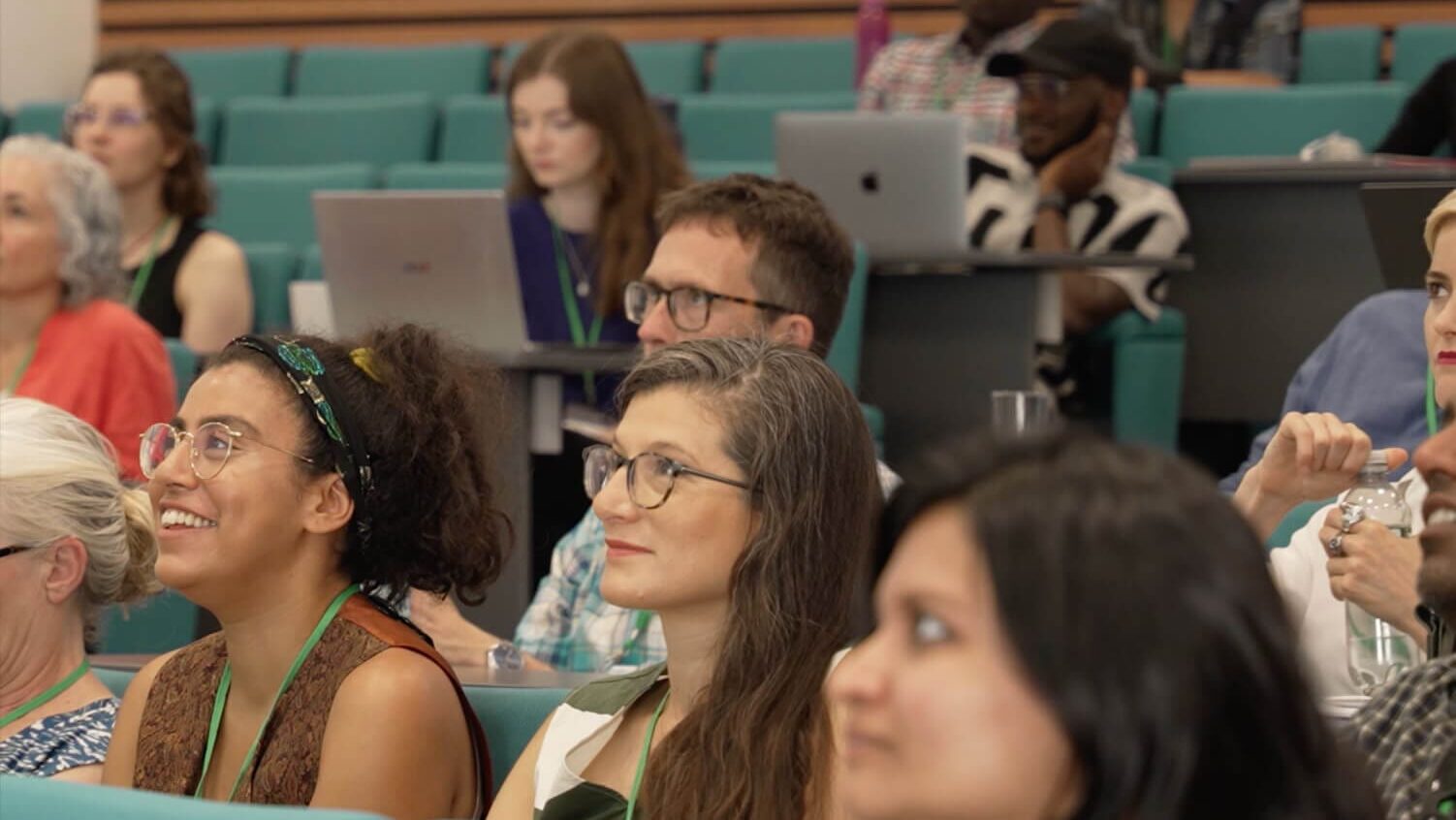
Workshops & events
Considerations for planning and hosting externally facing workshops and events.

Communication
Considerations for externally-facing communications and internal communications.
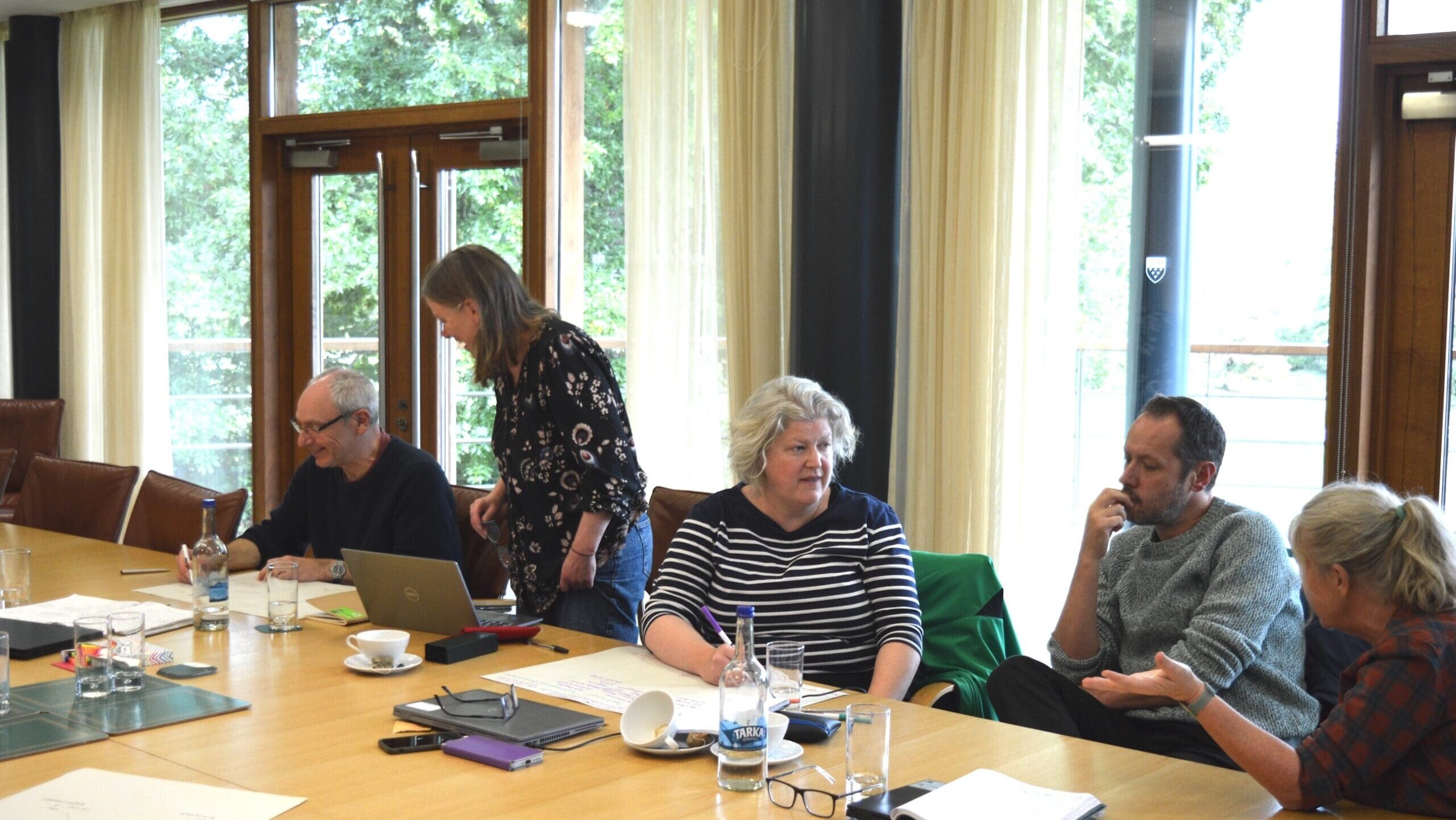

Recruitment
Considerations for recruiting staff and running open calls for events and panels.
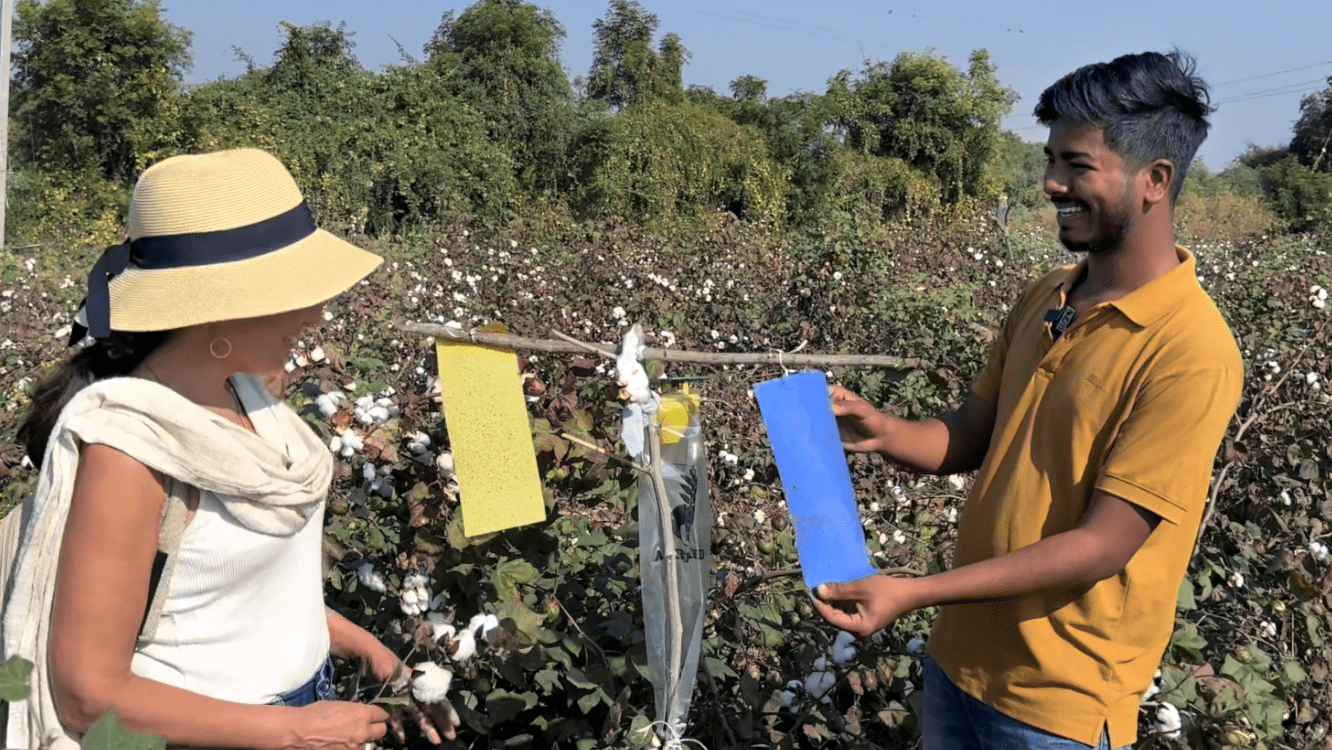
Flex Fund administration
Designing the call for applications, reviewing applications, and awarding funds.
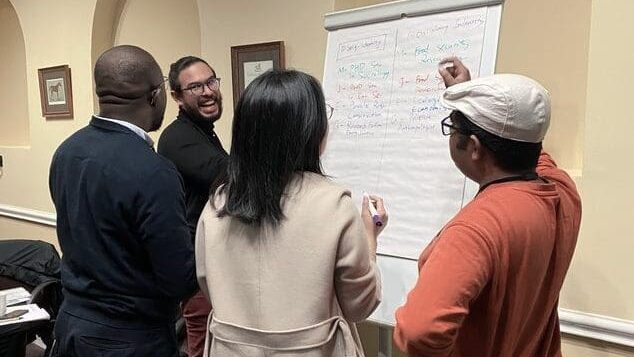
Externally facing training
Considerations relating to the design and delivery of training activities

Read the full Guiding Principles document
These Guiding Principles have been developed on behalf of ACCESS by Stewart Barr, Kate Burningham, Sarah Golding, Steve Guilbert and Sarah Hartley.
The Guiding Principles – incorporating the information presented below – are primarily aimed at colleagues and partners working directly with the ACCESS network on core project tasks, as well as those affiliated with the network in other ways (for example, Flex Fund applicants, and Leadership College Fellows).
We also hope that the Guiding Principles can act as tools to provide inspiration and guidance to the wider Environmental Social Science community.
You can download the principles here ACCESS Guiding Principles V4 March 13 2023 or below.