ACCESS - Advancing Capacity for Climate  and Environment Social Science
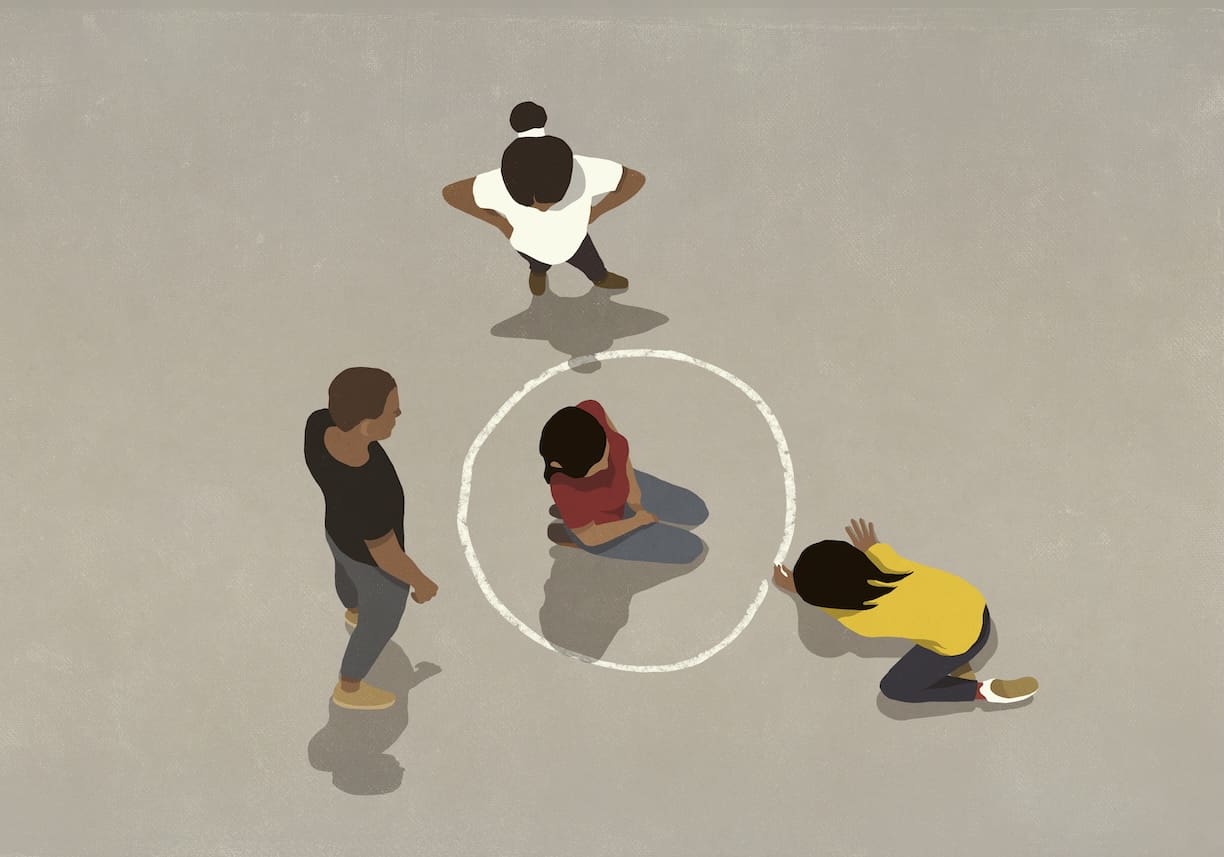
A girl draws a chalk circle around another person

Putting the Principles into Practice


The Guiding Principles are intended to act both as a guide to core ACCESS activity (in a non-prescriptive way) and as inspiration for the wider Environmental Social Science research, policy and practice communities. We anticipate the Guiding Principles will be developed over time as we receive input from others and reflect upon and learn from our own experiences within ACCESS.   

The Activity Matrices below outline how the Guiding Principles can be applied to key activities that colleagues and partners across ACCESS undertake, with encouraged actions that will enable you and those you work with to enact these principles in your research and other activities. We have identified nine core areas of work to specifically address with an activity matrix – but the focus on these core areas does not preclude the Guiding Principles from being applied to other activities conducted across ACCESS. These core work areas are: 

  1. Internal meetings 
  2. Workshops and events 
  3. Communication 
  4. Working Groups 
  5. Recruitment (employees; participants at ‘applied for’ events) 
  6. Flex Fund Administration 
  7. Externally-facing training 
  8. People development within ACCESS
  9. Research Activities 


Activity Matrix I – Internal Meetings

These suggested considerations and encouraged actions relate to both ad hoc and regular ‘internal’ project meetings, as well as general interactions with colleagues, partners and stakeholders  


Environmental Sustainability Equality, Diversity & Inclusion Knowledge Co-Production 
  • Consider opportunities for virtual and hybrid internal meetings, which can often be a more environmentally sustainable option, compared to in-person meetings – especially as the ACCESS network is spread across different institutions at different locations, and many people now work from home  
  • Consider how to develop virtual/hybrid spaces as positive, inclusive and meaningful to all attendees  
  • Schedule wider group meetings (e.g. Leadership Team, Partnership Advisory Board) between 10am and 3pm, avoiding Mondays & Fridays, to support colleagues with flexible working needs (such as childcare responsibilities or part-time contracts) 
  • Encourage smaller working groups to adopt similar practices around meetings, to promote support for flexible working across ACCESS colleagues, partners and stakeholders 
  • Ensure familiarity with relevant organisational policies on bullying and harassment 
  • Organise meetings to ensure all feel welcome and are able to contribute, by proactively encouraging input from group members about what an inclusive and safe space looks like for them 
  • Proactively encourage input from everyone, as internal meetings involve people with different levels of knowledge, experience, and seniority and who contribute in different ways to projects decisions 

 Activity Matrix II – Workshops and Events

These suggested considerations and encouraged actions relate to the planning and hosting by ACCESS of externally facing workshops and events (such as the Leadership College, Working Group Sessions, Summer Schools, and the Annual Assemblies) 


Environmental Sustainability Equality, Diversity & Inclusion Knowledge Co-Production 
  • When planning events, consider relative merits of in-person, hybrid and online events; adopt the principle that travel should be reduced but not abandoned 
  • Consult a travel hierarchy and decision support tool (e.g. An introduction to the sustainable travel hierarchy – Energy Saving Trust​​) 
  • Recommend to delegates that any travel which does take place should default to a low-carbon mode, with an order of preference being: walking, cycling, bus / coach, train, car and finally aeroplane  
  • Opt to use venues with a low environmental impact, e.g. venues with high energy efficiency 
  • Facilitate or recommend that accommodation options should prioritise establishments with environmental credentials. Major search engines like Booking and TripAdvisor offer options to search for these 
  • Consider the carbon intensity of food sourced for events and when travelling. This needs to take account of several factors, including the carbon intensity of the product’s growth, processing and transport 
  • Estimate delegate numbers as precisely as possible to minimise food waste when ordering catering and include food boxes so participants can take home left overs 
  • Liaise with venues and caterers to minimise/eliminate use of plastics, especially single-use plastics 
  • Encourage delegates to bring own reusable water bottles 
  • Where feasible, include a breakdown of carbon footprint for each event from food to travel in the minutes/reporting  


  • Provide financial support to enable in-person attendance at ACCESS’s residential events (Summer Schools and the Leadership College) by people from traditionally under-represented groups and those who require additional funds to attend (such as those with caring responsibilities, disability needs, or low incomes) 
  • Provide hybrid options where appropriate and feasible, ensuring that online participants are effectively supported to enable meaningful participation in hybrid meetings 
  • Actively invite a diverse range of speakers and presenters 
  • Include statement(s) in event promotional material highlighting that we welcome attendance from diverse participants, including those who may require additional support to attend. 
  • Engage in conversations with venues about accessibility and provide specific information about any provisions such as step-free access, dietary considerations, sole-occupancy boarding, sensory considerations, timetabling etc so that it clear that serious consideration has been given to accessibility 
  • Monitor and assess diversity of participants at key ACCESS events (e.g. Annual Assemblies, Summer Schools, Leadership College) by collecting data about participants’ personal and professional characteristics   
  • Recognize that public transport is not always the most appropriate option for everyone  
  • Be mindful of varying dietary needs when arranging catering (e.g., allergies, vegetarian/vegan, Halal/Kosher etc.) 
  • Avoid scheduling key events during major religious festivals and holidays, school pick up/drop off times, peak travel times (cost of living), offer hybrid for those who have caring responsibilities  
  • Identify, circulate and implement best practice advice on hosting accessible, inclusive events 


  • Recognise that KCP benefits from face-to-face, in-person interaction 
  • Consider co-convening / co-hosting with someone who holds different knowledge to you (i.e. from a different discipline or a non-academic) 
  • Seek to invite people who bring different knowledge and perspectives to the table. 
  • Choose an appropriate venue and design the room set-up to ’open up’ discussion.    
  • Set an informal atmosphere that breaks down knowledge hierarchies  
  • Incorporate time to socialise / network 
  • Provide opportunities for informal interactions by ensuring sufficient food and refreshments breaks; these often support informal interactions 
  • Minimise ‘talking at’ (presentations); maximise ‘talking with’ (discussion) 
  • Include time for reflection and challenging assumptions 
  • Ensure short, prompt summaries of workshops and ensure all participants are given an opportunity to provide comment on them. 
  • Consider the different ways of communicating workshop findings so that non-academics can engage with them 

 Activity Matrix III – Communication

These suggested considerations and encouraged actions have been formulated in relation to the formal communications strategy for ACCESS, which covers predominantly externally-facing communications. This guidance is, however, also relevant for less formal, internal communications.  


Environmental Sustainability Equality, Diversity & Inclusion Knowledge Co-Production 
  • Consider carefully the relative merits of digital versus physical ‘hard’ copies of communications outputs   
  • Where printed copies of outputs are deemed useful try not to overestimate how many copies you might need (many desks and offices are cluttered with unused/undistributed project brochures/leaflets/reports etc.) 
  • Ensure physical outputs are produced using the most sustainable methods and materials as possible 
  • Examine the sustainability credentials of third-party communications / consultancies / professionals you work with 
  • Ensure project website is kept lean to balance tensions between sharing sufficient content and minimising the carbon footprint of hosting server 


  • Ensure images used in communications represent diverse people 
  • Use inclusive language in our communications  
  • Provide information in a range of accessible formats (e.g. make use of ALT TEXT, subtitles, audio)  
  • Identify and make use of diverse communication channels and networks, including those aimed at under-represented groups such as those who identify as Black, Asian, or Minority Ethnic, LGBTQIA+, or those who are neurodiverse 
  • Ensure the project website is Disability Discrimination Act compliant 
  • Ensure communication and promotional materials reflect best practice in visual accessibility (e.g., considering colour contrast, background colours)  


  • Think about the language, tone and content of all communications materials 
  • Identify and work with target audiences to co-design and tailor specific communications materials/outputs to meet their needs 
  • Ensure the knowledge and perspectives being communicated reflect contributions from people with different types of knowledge, including traditionally marginalised peoples 
  • Consider co-producing communications outputs (e.g. blog, think piece etc.) 


Activity Matrix IV – Working Groups

These suggested considerations and encouraged actions relate to the establishment of ACCESS Working Groups.  They combine many elements of the previous slides e.g. meetings/events, communications. 


Environmental Sustainability Equality, Diversity & Inclusion Knowledge Co-Production 
  • Recognise that in-person meetings can play an important role in establishing working groups and building relationships and trust between group members, particularly in the early stages of working group formation 
  • Recognise, however, not all working group meetings need to be in-person going forward. Consider carefully the relative merits of on-line vs. in-person for each meeting 
  • Include in your considerations the considerable environmental sustainability benefits of online meetings 
  • Be mindful of the number of attendees, how far each would need to travel and the mode of transport they would likely take to attend an in-person meeting 
  • Consider the carbon intensity of food sourced for meetings and when travelling. This needs to take account of several factors, including the carbon intensity of the product’s growth, processing, and transport 
  • Schedule wider group meetings at co-agreed times that support flexible working needs  
  • Regularly review (at least annually) group membership to ensure diverse voices are invited and included  
  • Be proactively welcoming of diverse participants to ensure these spaces are positive, inclusive and meaningful to attendees  
  • Advise colleagues and partners to familiarise themselves with relevant organisational policies on bullying and harassment 
  • Organise meetings and other working group activities to ensure all feel welcome and are able to contribute 
  • Recognize that public transport is not always the most appropriate option for everyone  
  • Be mindful of varying dietary needs when arranging catering (e.g., allergies, vegetarian/vegan, Halal/Kosher etc.) 


  • Recognise that Working Groups are a useful method of knowledge co-production  
  • Ensure you have disciplinary and knowledge diversity when setting-up the group 
  • Collectively agree Working Group Terms of Reference, including the frequency, type, aim, and location of meetings 
  • Ensure inclusivity in ongoing discussions and decisions about meeting agendas, activities, methods of communication throughout the life of the Working Group 
  • Facilitate a relaxed environment and opportunities for informal interactions by ensuring sufficient food and refreshments breaks; these often form an integral part of Working Group meetings. 


Activity Matrix V – Recruitment (Jobs; Events)

These suggested considerations and encouraged actions relate to recruitment processes conducted within ACCESS. These predominantly relate to the open calls for applications to the Summer Schools and Leadership College. Employing organisations within ACCESS are limited to three universities; posts are currently filled (as at February 2023) but should further recruitment be required, these actions would be relevant for future staff recruitment  

Equality, Diversity & Inclusion Knowledge Co-Production 
The Flex Fund People/Panel  

  • Consider carefully the relative merits of online vs. in-person for any Flex Fund meetings  

The Call/Process  

  • Design the call to enable applicants to demonstrate how they will make a net benefit to sustainability  
  • Encourage applicants to follow the Principles into Practice flow chart when preparing their ideas  

The Applications  

  • Design call to ensure issues related to sustainability are explicitly considered and addressed within applications, for example through justifying the need for travel 


The Flex Fund People/Panel  

  • Ensure diversity from across ACCESS is represented in the Flex Fund Team and the application reviewers 

The Call  

  • Design call to enable early career researchers to be co-investigators   
  • Design call to ensure diversity in co-investigator team (e.g., require mix of genders, ethnicities, career stages, sectors)  
  • Include statement(s) in Flex Fund calls highlighting that we welcome applications from diverse applicants, including those from under-represented groups  
  • Ensure information about Flex Fund is posted and circulated widely to be visible to ECRs and members of under-represented groups  
  • Design call to ensure issues related to EDI are considered and addressed within applications (e.g. applicants might engage in co-production, or address questions of inequality, or run a networking event designed to support under-represented groups)  

The Process  

  • Conduct blinded review of applications to Flex Fund   
  • Ensure diversity amongst peer reviewers of Flex Fund applications 
The Flex Fund People/Panel  

  • Ensure diversity of perspectives on Flex Fund organising Team and application reviewers  

The Call  

  • Require applicants to incorporate KCP in their applications. For example, interdisciplinary or other partners should hold positions of power or influence within the proposal and project, and applicants should demonstrate KCP methods/skills.   

The Process  

  • Building KCP partnerships takes time. Design an application process that recognises and allows for this.  
  • Ensure a diverse peer review panel  
  • Ensure application reviewers recognise the value of the research KCP process and associated ‘social capital’  
  • Ensure application reviewers value ‘actionable’ user-orientated outputs and outcomes not just academic publications  


Activity Matrix VI – Flex Fund Administration

These suggested considerations and encouraged actions relate to the design of the call for applications, the process of reviewing applications, and awarding funds. 


Environmental Sustainability Equality, Diversity & Inclusion Knowledge Co-Production 
The Flex Fund People/Panel  

  • Consider carefully the relative merits of online vs. in-person for any Flex Fund meetings  

The Call/Process  

  • Design the call to enable applicants to demonstrate how they will make a net benefit to sustainability  
  • Encourage applicants to follow the Principles into Practice flow chart when preparing their ideas  

The Applications  

  • Design call to ensure issues related to sustainability are explicitly considered and addressed within applications, for example through justifying the need for travel 


The Flex Fund People/Panel  

  • Ensure diversity from across ACCESS is represented in the Flex Fund Team and the application reviewers 

The Call  

  • Design call to enable early career researchers to be co-investigators   
  • Design call to ensure diversity in co-investigator team (e.g., require mix of genders, ethnicities, career stages, sectors)  
  • Include statement(s) in Flex Fund calls highlighting that we welcome applications from diverse applicants, including those from under-represented groups  
  • Ensure information about Flex Fund is posted and circulated widely to be visible to ECRs and members of under-represented groups  
  • Design call to ensure issues related to EDI are considered and addressed within applications (e.g. applicants might engage in co-production, or address questions of inequality, or run a networking event designed to support under-represented groups)  

The Process  

  • Conduct blinded review of applications to Flex Fund   
  • Ensure diversity amongst peer reviewers of Flex Fund applications 
The Flex Fund People/Panel  

  • Ensure diversity of perspectives on Flex Fund organising Team and application reviewers  

The Call  

  • Require applicants to incorporate KCP in their applications. For example, interdisciplinary or other partners should hold positions of power or influence within the proposal and project, and applicants should demonstrate KCP methods/skills.   

The Process  

  • Building KCP partnerships takes time. Design an application process that recognises and allows for this.  
  • Ensure a diverse peer review panel  
  • Ensure application reviewers recognise the value of the research KCP process and associated ‘social capital’  
  • Ensure application reviewers value ‘actionable’ user-orientated outputs and outcomes not just academic publications  


Activity Matrix VII – Externally-Facing Training

These suggested considerations and encouraged actions relate to the design and delivery of training activities (e.g. Masterclasses, Summer schools, Leadership College) open for attendance by those within and beyond ACCESS 


Environmental Sustainability Equality, Diversity & Inclusion Knowledge Co-Production 
  • Embed training about environmental sustainability into Summer Schools and Leadership College 
  • Reflect on tensions between benefits and trade-offs for sustainability in terms of offering a mix of in-person, hybrid and virtual events 
  • For in-person events, consider the use of resources such as catering, energy, and equipment and materials; pro-actively engage in conversations with venues about these issues 


  • Embed training about EDI into Summer Schools and Leadership College 
  • Provide a mix of online, hybrid and in-person training events to support diversity of need in terms of accessing training 
  • Ensure training videos produced by ACCESS are as much as possible supported with subtitles / British Sign Language 
  • Ensure diversity of trainers and presenters in training programmes   
  • Provide financial support to enable in-person attendance at ACCESS’s paid-for training events (e.g. Leadership College, Summer Schools) 
  • Embed training about KCP into Summer Schools and Leadership College  
  • Raise awareness of KCP as an ethos and practice that is increasingly foregrounded in research, policy, practice.   
  • Adopt KCP principles when designing and delivering training programmes 


Activity Matrix VIII – People Development within ACCESS

These suggested considerations and encouraged actions relate to activities designed to support the development of ACCESS-employed early career researchers (ECRs) (and others??) across ACCESS, as well as acting as prompts for more experienced colleagues to reflect on their own personal and professional development. 


Environmental Sustainability Equality, Diversity & Inclusion Knowledge Co-Production 
  • Engage with training about conducting low-impact research, training and practices 
  • Engage with training about EDI best practice 
  • Support development and career progression of ECR Fellows in ACCESS by providing funds for conference attendance by our ECRs and making them members of the ACCESS leadership College   
  • Ensure each ECR has regular meetings with a senior colleague which include discussion of workload issues and wellbeing 
  • Engage with training about KCP to develop understanding and practical KCP skills  
  • Explore critical (academic) and practical (‘How to’) literature 
  • Explore opportunities to strengthen KCP partnerships and networks though knowledge exchange placements 
  • Embed KCP approaches in development of tailored mentoring scheme for ACCESS ECRs 

Activity Matrix IX – Research Activities

These suggested considerations and encouraged actions relate to the design and conduct of research activities within ACCESS 


Environmental Sustainability Equality, Diversity & Inclusion Knowledge Co-Production 
  • Consider how your choice of topic/research question can contribute to environmental sustainability 
  • Consult wider literature on how to reduce the impact of everyday research practices, as relevant to your own methods 
  • When planning and budgeting for travel, consider relative pros and cons to balance the mix of online and in-person attendance at e.g., team meetings, conferences etc., 
  • Consider incorporating evaluations of environmental impact of your research activities 
  • Critique ourselves as scholars and decolonise our reference lists  
  • Engage with open research principles to ensure project outputs are widely accessible (e.g. publish datasets, pre-prints, open access journal articles) 
  • Actively consider our sampling and recruitment processes to include a diversity of participants 
  • Practice reflexivity; for example, openly acknowledge any limitations with sample diversity, situate study within its context, consider power dynamics within research team, reflect on researcher positionality 
  • Recognise that when done well KCP produces more equitable and actionable knowledge 
  • Identify and involve knowledge co-producers at the earliest opportunity 
  • Collectively discuss and determine key research questions and project goals 
  • Discuss and agree the practicalities of your collaboration: i.e. time, resources, respective responsibilities 
  • Ensure dialogue is ongoing and respectful of different perspectives  
  • Be mindful of and address power imbalances 
  • Allow joint ownership of key decisions 
  • Value the process and work at relationship building 
  • Be flexible and reflexive  


Quick links