


ACCESS Task Forces bring together world-leading social science expertise to focus on crucial and challenging policy areas.
The Adaptation and Resilience Task Force focuses on enabling more effective deployment of social sciences by policy makers to enable successful adaptation and resilience, by, with, and for individuals and communities in the UK.
This Task Force is composed of academics and government social scientists with extensive expertise in adaptation across science and policy, led by Rory Walshe and Irene Lorenzoni. It runs from now until October 2026.
For more information about the focus and progress of the task force, and its team members, click below.

The Task Force is led by Michael Winter and runs between now and October 2026.
The team of 15 academic and government social scientists are looking at how the social sciences can be more effectively deployed to reconfigure land use and land management in the UK to deliver nature recovery.
Meet the team members and find out about the progress of the task force by clicking the button below.

The Task Force was led by Karen Bickerstaff. She assembled a team of ten social scientists, leading experts in environmental and climate change from geography, psychology, anthropology, sociology, politics and medicine. Together they reviewed a range of social science perspectives, analysed examples of government net zero plans and built understanding from case studies of societal change. The task force ran between April 2023 and March 2024.

A number of interdisciplinary ACCESS projects are currently running with partner organisations and institutions.
The Social Science in the Natural Environment (SSINE) project, led by Forest Research scientists, aims to help natural environment policy and practice (EPP) organisations benefit from improved integration of environmental social sciences (ESS).
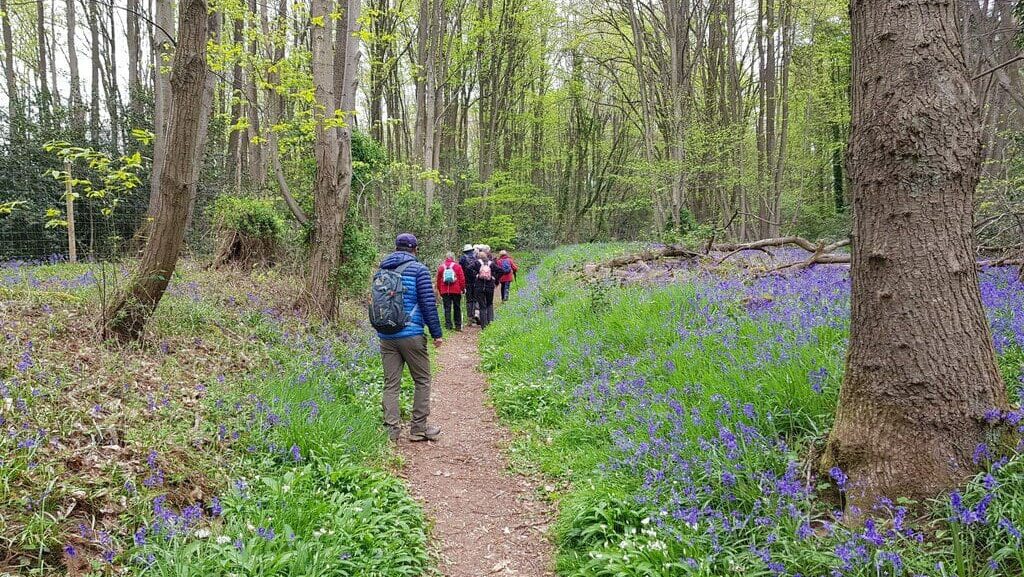
This project aims to strengthen interdisciplinary working between environmental and social scientists, equipping both communities with the tools and insights needed to work more effectively together on urgent environmental issues.
The project, which starts in October 2025, will be delivered jointly by ACCESS and the Institution of Environmental Sciences (IES), drawing on their complementary missions and extensive networks.
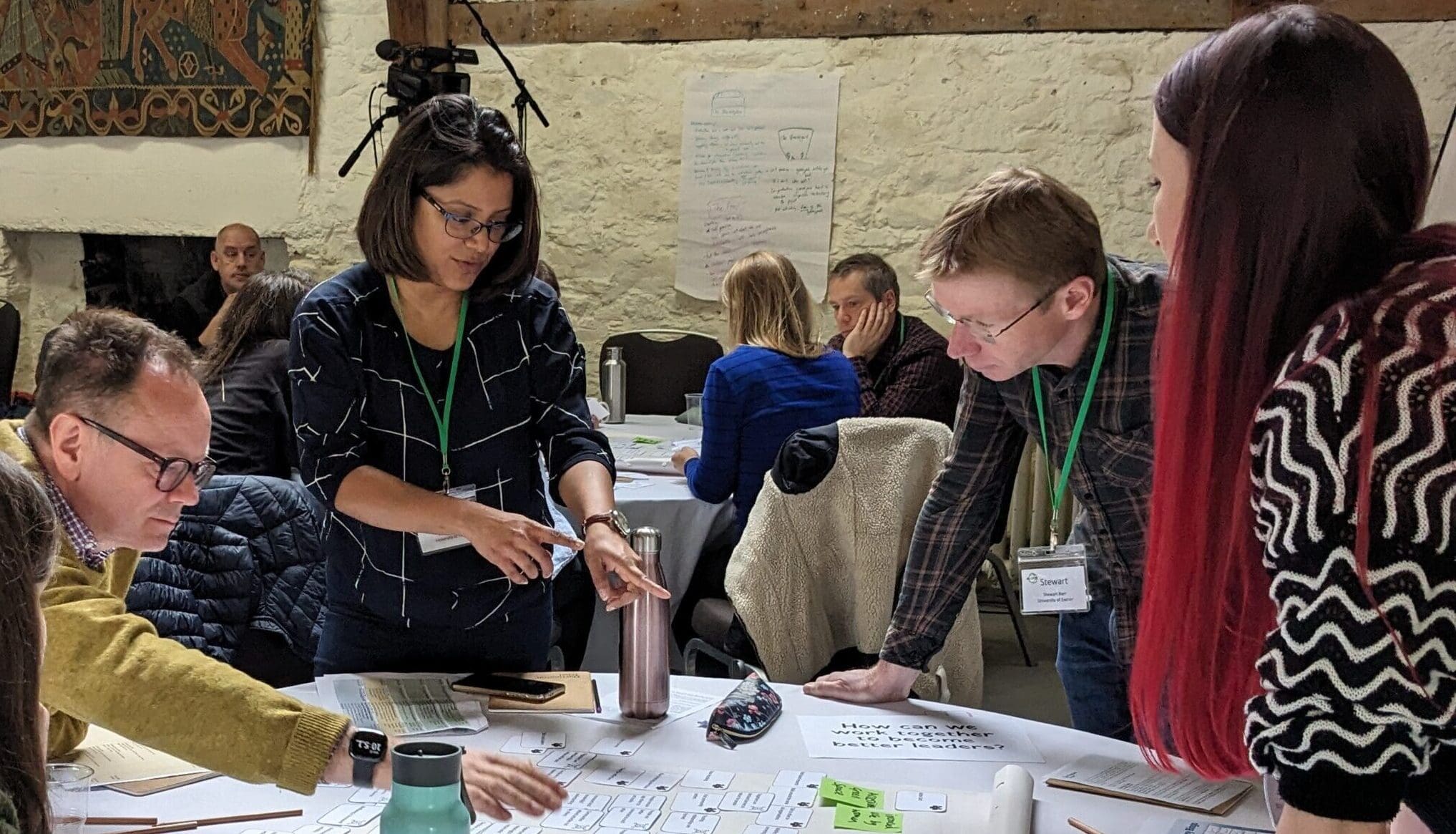
This project, led by Sarah Hartley (University of Exeter) aims to examine the environmental impacts of AI through a social-science lens, providing a holistic understanding of the problem and making policy recommendations to address these impacts in a way that is environmentally and socially just.

This is a bespoke request service for Environmental and Climate Research and Analysis.
We can
We have worked with a range of groups including Defra, BEIS/DESNZ, the Welsh Government, the Northern Ireland Department of Agriculture, Environment and Rural Affairs (DAERA) and Forest Research.

ACCESS contributes to scoping future transformative social science and interdisciplinary research within the area of climate and environment. Using diverse stakeholder perspectives, we aim to ensure strategic research outcomes that will make a difference.
One of the ways ACCESS is enabling social scientists to play an influential, leading role in addressing environmental challenges is through our work with the Economic and Social Research Council (ESRC).
